How to Wash Hair Extensions Step by Step
Learn how to wash hair extensions step by step with easy tips to keep them silky, tangle-free, and lasting longer than ever.
So you finally invested in a gorgeous set of hair extensions, and now you're wondering how to keep them looking fresh without ruining them in the process. Trust me, you're not alone. A surprising number of people treat their extensions the same way they treat their natural hair, tossing them under a hot shower and scrubbing away like there's no tomorrow. Spoiler alert, that's a recipe for disaster. Washing hair extensions isn't exactly rocket science, but it does require a bit of know-how and patience. Whether you've got clip-ins sitting in your bathroom drawer or tape-ins bonded to your head, knowing how to wash hair extensions step by step can make the difference between extensions that last months and ones that turn into a tangled mess after just a few wears.
Why Washing Your Hair Extensions the Right Way Actually Matters
Here's the thing most people overlook. Hair extensions, whether they're made from human hair or synthetic fibers, don't receive natural oils from your scalp the way your real hair does. That means they're already at a disadvantage when it comes to staying moisturized and healthy-looking. Washing them incorrectly can strip away whatever moisture they have left, leaving you with dry, frizzy strands that look anything but natural.
On top of that, product buildup is a real problem. Hairsprays, serums, dry shampoo, and even the natural oils that transfer from your own hair can accumulate over time. If you don't wash your extensions regularly and properly, all that gunk weighs them down and makes them look dull and lifeless. Nobody's got time for that.
There's also the longevity factor to think about. High-quality hair extensions aren't cheap, and treating them with care during the washing process can seriously extend their lifespan. We're talking weeks or even months of extra wear if you play your cards right. So yeah, learning the proper technique is well worth the effort.
What You'll Need Before You Start
Before you even think about turning on the faucet, you'll want to gather your supplies. Having everything within arm's reach makes the whole process smoother and prevents any mid-wash scrambling. Here's what you should have on hand.
A wide-tooth comb or a brush specifically designed for extensions works wonders. You'll also need a sulfate-free shampoo because sulfates are way too harsh for extensions and will dry them out faster than you can blink. A good moisturizing conditioner is essential too, preferably one that doesn't contain silicone, since silicone can cause buildup on extensions over time.
Grab a clean towel, a bowl or basin if you're washing clip-ins or wefts off your head, and lukewarm water. Hot water is a big no-no. It can damage the hair cuticle and shorten the life of your extensions dramatically. If you want to go the extra mile, having a leave-in conditioner or a lightweight hair oil nearby for after the wash is a smart move.
How to Wash Hair Extensions Step by Step
Alright, let's get down to the nitty-gritty. This section breaks down the entire process so you can follow along without missing a beat.
Detangle Before You Wash
This step might seem like a minor detail, but skipping it is one of the biggest mistakes people make. Before your extensions go anywhere near water, you need to gently detangle them. Start from the ends and work your way up to the roots using a wide-tooth comb or a loop brush. Pulling from the top down is a surefire way to create more knots and potentially rip out hair from the weft.
If you run into a stubborn tangle, don't force it. Instead, hold the hair just above the knot and gently work through it with your fingers first. Patience is key here, and rushing through this step is going to come back to bite you later.
Wet the Hair with Lukewarm Water
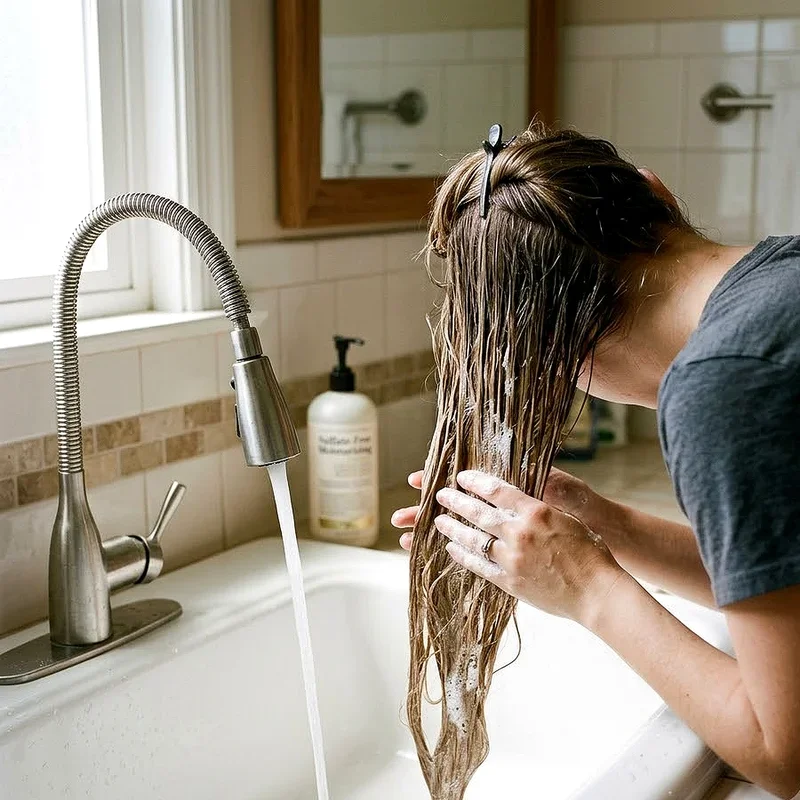
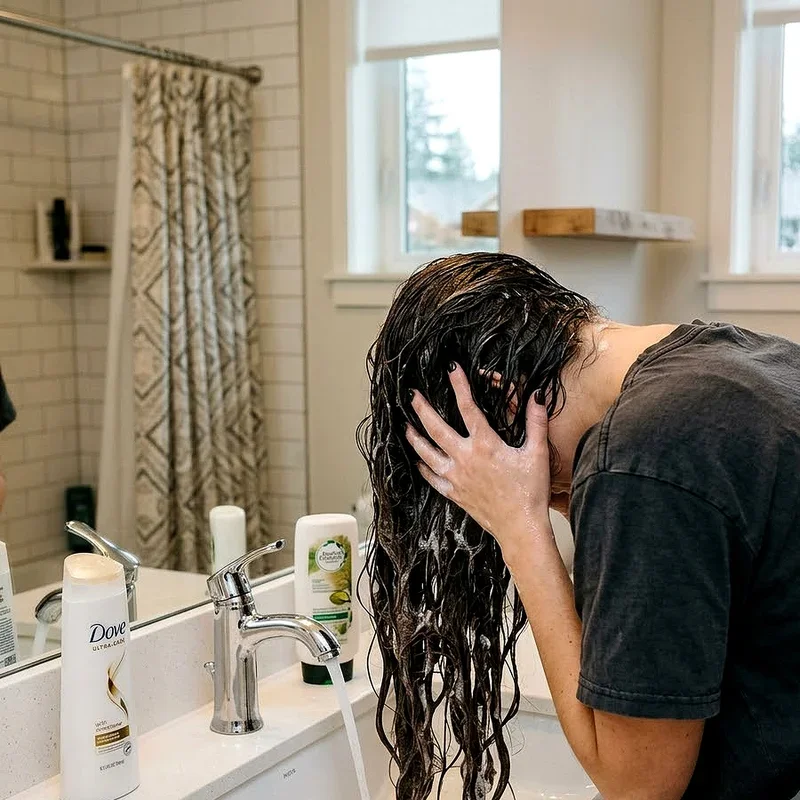
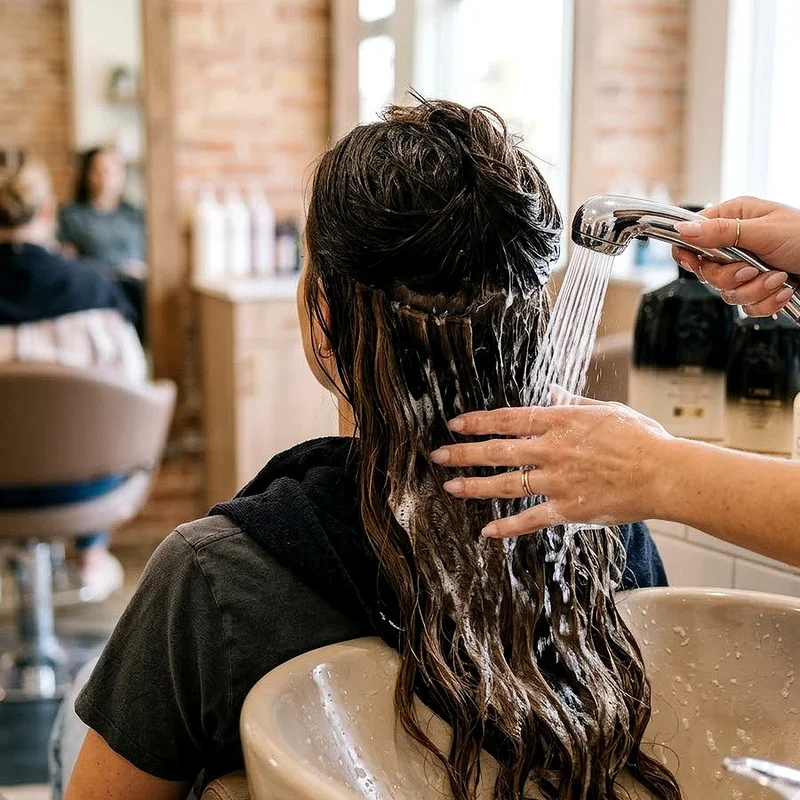
Once your extensions are tangle-free, it's time to get them wet. If you're working with clip-ins, ponytails, or wefts that aren't attached to your head, fill a basin or sink with lukewarm water and gently submerge the hair. For tape-ins, sew-ins, or other semi-permanent installations, you can do this in the shower, but make sure the water temperature isn't too hot.
Lukewarm is the sweet spot. Cold water won't do a great job of loosening dirt and product buildup, and hot water can seriously damage the bonds, adhesive, or the hair itself. Let the water run through the hair in a downward motion, following the natural direction of the strands. Avoid bunching or scrunching the hair while it's wet because that's how tangles form.
Apply Shampoo Gently
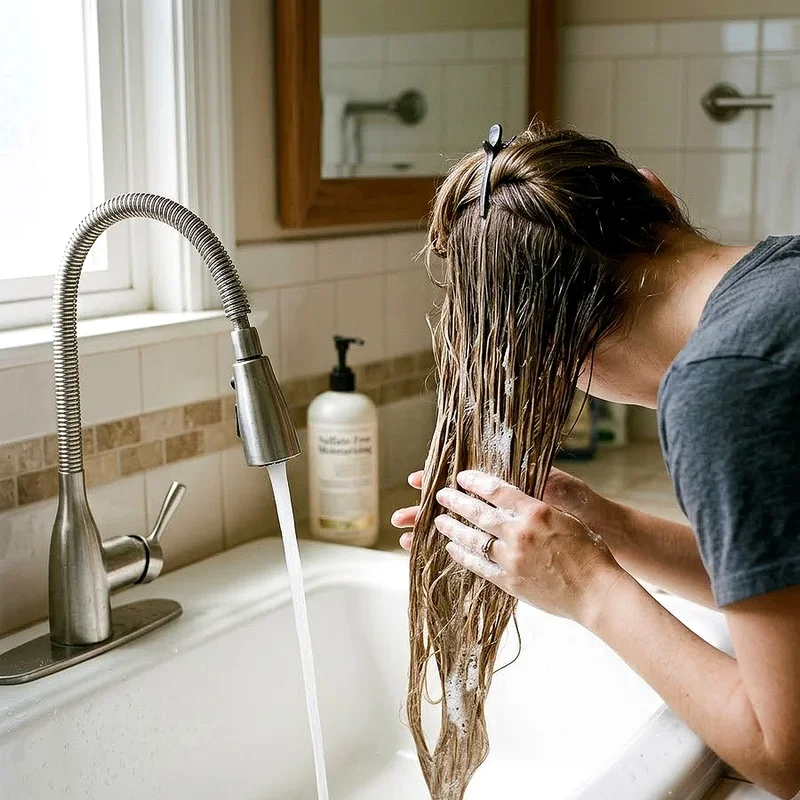
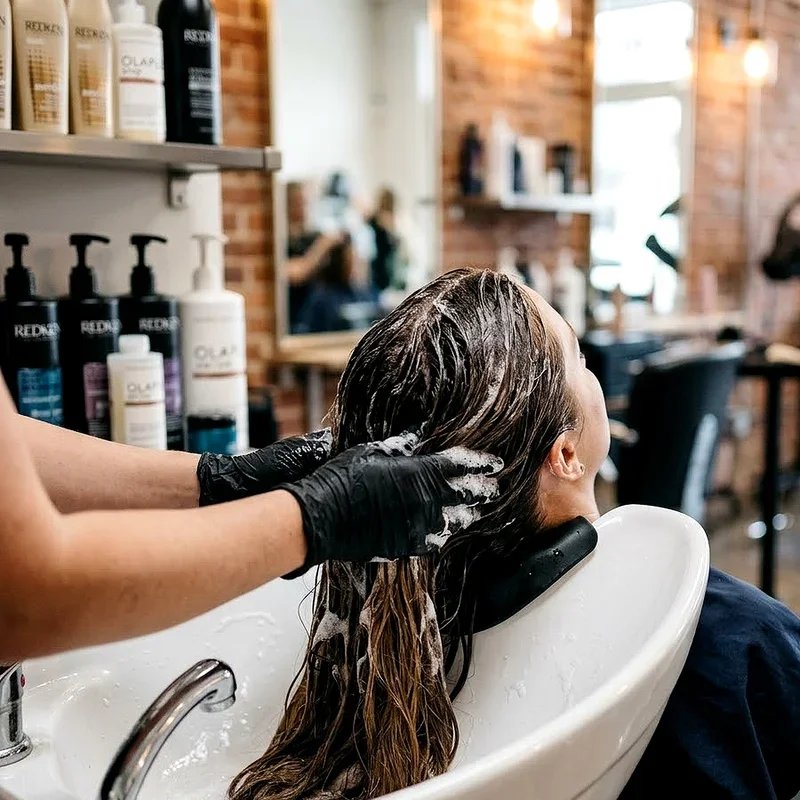
Now here's where things get a little different from washing your natural hair. Squeeze a small amount of sulfate-free shampoo into your palm, rub your hands together, and then smooth it through the extensions in a downward motion. You're not scrubbing your scalp here, so there's no need to work up a big lather or rub the hair between your hands.
Think of it more like you're petting the hair rather than washing it aggressively. Focus on the mid-lengths and ends where product buildup tends to accumulate the most. If your extensions are attached to your head, you can gently massage the shampoo near the roots without disturbing the bonds or tape.
One wash is usually enough. Double shampooing might be necessary for your natural hair sometimes, but for extensions, it's overkill and can strip too much moisture in one go.
Condition from Mid-Length to Ends
After rinsing out all the shampoo with lukewarm water, apply a generous amount of moisturizing conditioner. Here's the golden rule though, keep it away from the roots and any attachment points. Conditioner near tape-ins or bonded areas can weaken the adhesive and cause your extensions to slip out prematurely. Nobody wants that kind of surprise.
Smooth the conditioner through the mid-lengths and ends, and then let it sit for about three to five minutes. This gives the product enough time to penetrate the hair shaft and restore some of that lost moisture. If your extensions are particularly dry or you haven't washed them in a while, leaving the conditioner on for an extra minute or two won't hurt.
Rinse thoroughly with cool water this time. The cool temperature helps seal the hair cuticle, which locks in moisture and adds a nice bit of shine. It might feel a little chilly, but your extensions will thank you for it.
Do a Deep Conditioning Treatment When Needed
Every few washes, it's a great idea to throw in a deep conditioning treatment or a hair mask. Extensions don't get the benefit of natural scalp oils, so they need that extra boost of hydration to stay soft and manageable. You can use a store-bought hair mask or even whip up a DIY version with ingredients like coconut oil, honey, and olive oil.
Apply the treatment the same way you would regular conditioner, focusing on the mid-lengths and ends. Wrap the hair in a warm towel or put on a shower cap and let it sit for at least fifteen to twenty minutes. Some people even leave their deep conditioner on overnight for maximum results, but that's only advisable for human hair extensions. Synthetic extensions don't absorb product the same way, so shorter treatment times work better for those.
Dry Your Extensions Properly
How you dry your extensions matters just as much as how you wash them. After rinsing out all the product, gently squeeze the excess water out of the hair with your hands. Don't wring or twist the extensions like you would a dishcloth because that creates friction and leads to breakage and tangling.
Lay the extensions flat on a clean, dry towel and gently pat them to absorb more water. If you're in no rush, air drying is always the best option. Just lay them flat or hang them on an extension hanger and let nature do its thing. Avoid hanging wet extensions by a single clip because the weight of the water can stretch them out.
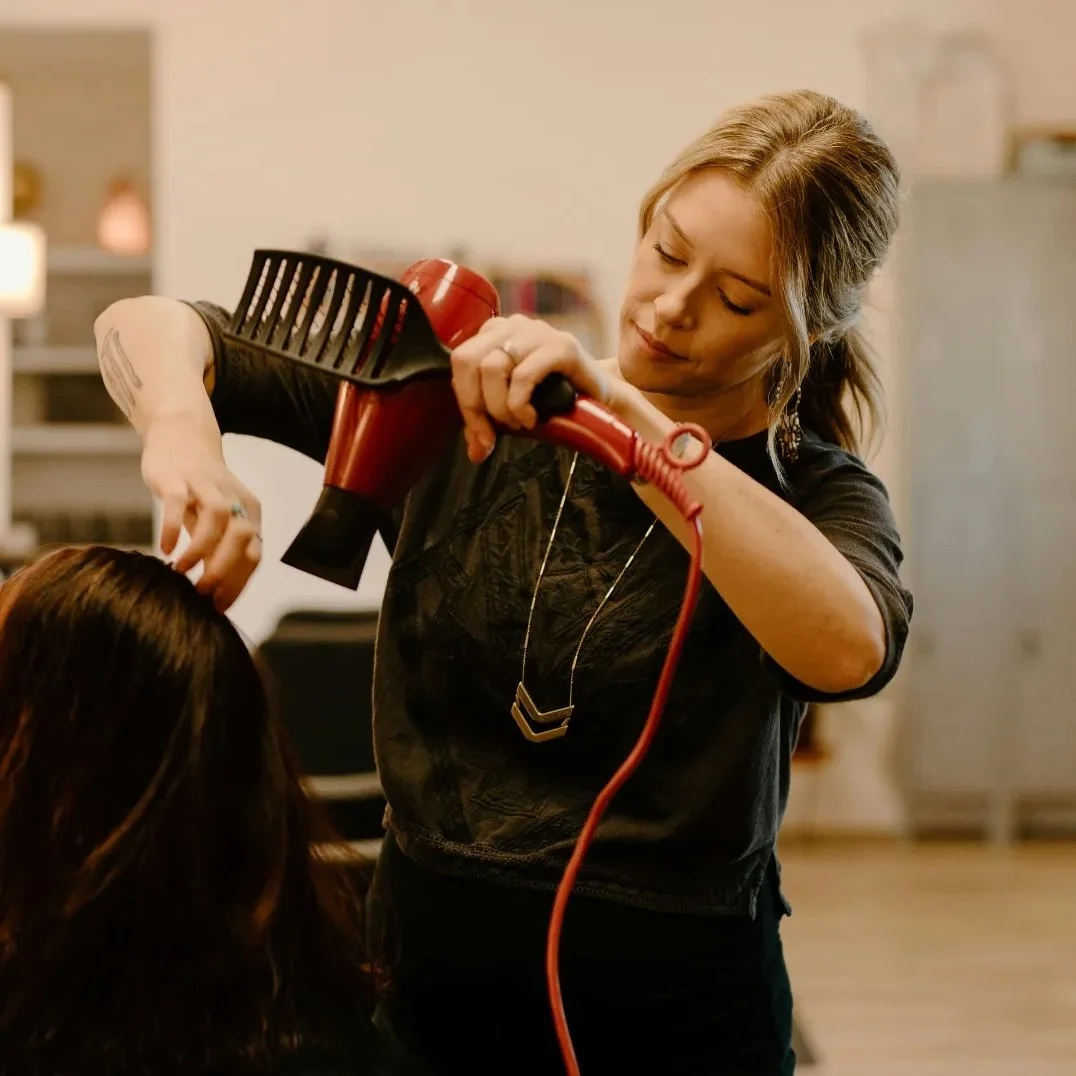
If you need to use a blow dryer, keep it on the lowest heat setting and use a heat protectant spray beforehand. Hold the dryer at least six inches away from the hair and dry in a downward direction to smooth the cuticle. Taking this extra precaution goes a long way in preventing unnecessary damage.
Common Mistakes People Make When Washing Extensions
Even with the best intentions, there are a handful of pitfalls that can trip you up along the way. Let's go over the ones you'll want to steer clear of.
Using regular shampoo loaded with sulfates is probably the most common offender. Those harsh chemicals strip moisture like nobody's business and leave your extensions feeling like straw. Always check the label before you grab a bottle off the shelf.
Washing too frequently is another issue. Unlike your natural hair, extensions don't need to be washed every day or even every other day. For clip-ins, washing after every six to eight wears is plenty. For semi-permanent extensions, once a week or even less frequently is perfectly fine, depending on your lifestyle and how much product you use.
Sleeping on wet extensions is a habit that sounds harmless but can lead to matting and tangling overnight. Always make sure your extensions are completely dry before hitting the pillow. If you must go to bed with damp hair, braid the extensions loosely and use a silk or satin pillowcase to minimize friction.
Skipping the detangling step before washing is another classic blunder. Wet hair tangles much more easily than dry hair, so jumping straight into the shower without combing through first is asking for trouble.
How Often Should You Wash Your Hair Extensions
The answer to this one depends on a few factors, including what type of extensions you have, how often you wear them, and the kind of products you use in your hair. As a general guideline, here's what works for most people.
Clip-in extensions should be washed after about six to eight wears, or whenever they start to feel heavy or look oily. Since you take them out at the end of the day, they don't get as dirty as semi-permanent options.
Tape-in and sew-in extensions typically need washing once a week, though some people can stretch it to every ten days without any issues. The key is to pay attention to how they look and feel. If they seem weighed down or dull, it's time for a wash.
Synthetic extensions have their own set of rules. They tend to hold onto odors and product buildup more than human hair extensions, so washing them every ten to fifteen wears is a good rhythm to follow. Just remember that synthetic hair can't handle heat the way human hair can, so always air dry these babies.
Tips for Keeping Extensions Fresh Between Washes
You don't have to wash your extensions every time they feel a little off. There are plenty of ways to keep them looking and feeling great between wash days. A light mist of dry shampoo at the roots can absorb excess oil and add some volume back. Just be mindful not to overdo it because too much dry shampoo creates its own kind of buildup.
Brushing your extensions gently at the end of each day helps prevent tangles from forming overnight. Store clip-in extensions in a silk bag or on a hanger when you're not wearing them, and keep them away from direct sunlight or heat sources. A little spritz of leave-in conditioner on the ends can also work miracles for keeping things smooth and shiny.
If you're wearing semi-permanent extensions, braiding your hair loosely before bed reduces friction and tangling while you sleep. Pair that with a satin pillowcase and you've got yourself a winning combination. These small habits might seem insignificant on their own, but over time they add up and can seriously extend the life of your extensions.
Washing Synthetic Extensions vs. Human Hair Extensions
It's worth pointing out that not all extensions should be washed the same way. Synthetic and human hair extensions have different needs, and mixing up the techniques can lead to some pretty disappointing results.
Human hair extensions are more forgiving and can handle a wider range of products and styling tools. You can use heat on them, apply oils and serums, and treat them almost like your natural hair, within reason of course. When washing, stick with sulfate-free products and always condition thoroughly.
Synthetic extensions are a whole different ball game. Most synthetic fibers can't tolerate heat, so blow drying is generally off the table unless the packaging specifically says the product is heat-friendly. Use products designed for synthetic hair when possible, and always air dry. The good news is that synthetic extensions tend to hold their style well, so they don't need as much maintenance between washes.
Knowing which type of extensions you have and adjusting your washing routine accordingly is one of the simplest ways to keep them in top shape.
Conclusion
Learning how to wash hair extensions step by step doesn't have to feel overwhelming. With the right products, a gentle touch, and a little bit of patience, you can keep your extensions looking fresh and fabulous for much longer than you might expect. The secret really boils down to treating them with care, avoiding harsh chemicals, and never rushing through the process. Your extensions are an investment, and taking a few extra minutes during wash day is a small price to pay for results that speak for themselves.
Read next: 15 Color Ideas for Curly Hair to Refresh Your Look
Frequently Asked Questions
Q1. How often should I wash my clip-in hair extensions?
A: Wash clip-in extensions after every six to eight wears or when they feel oily.
Q2. Can I use regular shampoo on my hair extensions?
A: No, always use sulfate-free shampoo to prevent drying out and damaging your hair extensions.
Q3. Is it okay to blow dry hair extensions after washing them?
A: Yes, but use the lowest heat setting with a heat protectant to prevent damage.
Q4. Should I brush my extensions before or after washing them?
A: Always brush extensions gently before washing to prevent tangles from getting worse in water.
Q5. Can I wash synthetic hair extensions the same way as human hair ones?
A: No, synthetic extensions need gentler products and should always be air dried without heat.
Stay up to date with our latest ideas!