How to Fix Damaged Curly Hair: Step-by-Step Care Guide
Discover how to fix damaged curly hair with proven tips, deep treatments, and daily habits that restore bounce and shine naturally.
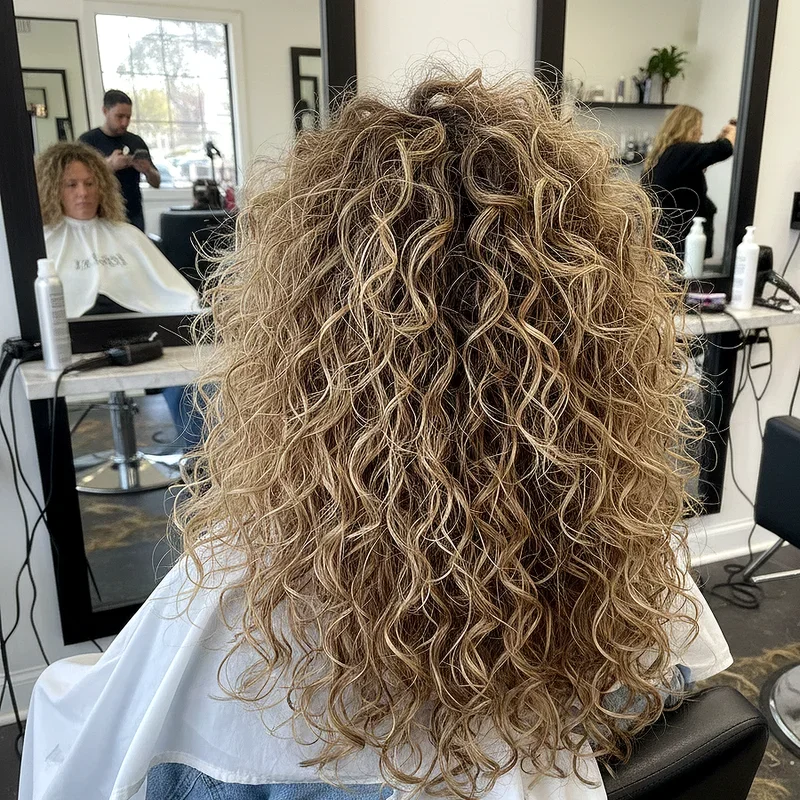
Let's face it, dealing with damaged curly hair can feel like fighting an uphill battle. One day your curls are bouncing with life, and the next they're looking like a tumbleweed that's seen better days. If you've been struggling with dry, brittle, or frizzy curls, you're definitely not alone in this journey. The thing is, curly hair is naturally more prone to damage than straight hair. Those beautiful spirals and coils that make your hair unique also create weak points along the hair shaft. Add in heat styling, chemical treatments, environmental stressors, and harsh products, and well, you've got yourself a recipe for disaster. But here's the good news. Damaged curly hair isn't a life sentence. With the right approach, patience, and a whole lot of tender loving care, you can bring those gorgeous curls back to life.
Understanding Why Curly Hair Gets Damaged So Easily
Before we jump into fixing the problem, it's important to understand why curly hair is so susceptible to damage in the first place. You see, the structure of curly hair is fundamentally different from straight hair, and this difference makes all the difference.
Each twist and turn in a curly strand creates a potential weak spot where the cuticle layer can lift and become compromised. Think of it like a winding mountain road compared to a straight highway. The more curves there are, the more opportunities for wear and tear.
The natural oils produced by your scalp have a harder time traveling down the hair shaft when it's curly. On straight hair, sebum can slide right down like a water slide. But on curly hair, those oils get stuck at every bend and curve, leaving the ends dry and thirsty for moisture.
Additionally, curly hair tends to be more porous, meaning it absorbs moisture quickly but loses it just as fast. This constant cycle of hydration and dehydration weakens the hair over time, leading to breakage, split ends, and that dreaded frizz we all know too well.
Identifying the Signs of Damaged Curly Hair
Now that you understand the why, let's talk about the what. How do you know if your curly hair is actually damaged or just having a bad hair day? Well, there are several telltale signs to watch out for.
First up, take a look at your curl pattern. Damaged hair often loses its natural curl definition. If your once springy coils are now looking limp, stretched out, or inconsistent, damage might be the culprit. Your hair is basically crying out for help.
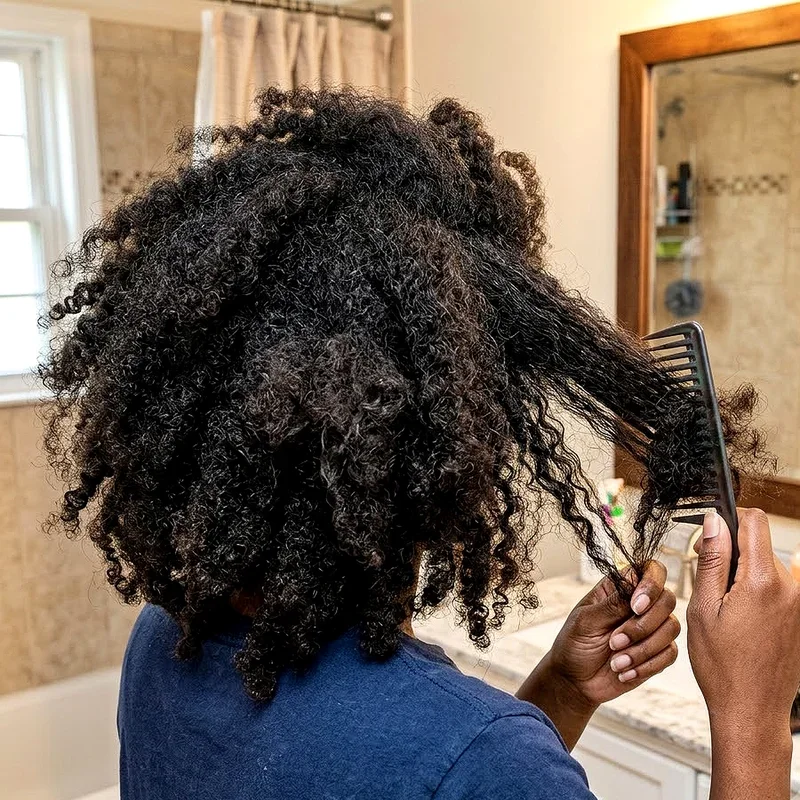
Excessive breakage is another major red flag. Finding a few strands in your brush is perfectly normal, but if you're losing chunks of hair every time you detangle, something's definitely off. Pay attention to where the breakage is occurring too. Mid-shaft breakage usually indicates mechanical damage, while breakage at the ends suggests dryness.
Other signs include rough texture when you run your fingers through your hair, excessive tangling, lack of shine, and hair that feels gummy or mushy when wet. If your hair takes forever to dry or won't hold moisture no matter what you do, these are also indicators of damage.
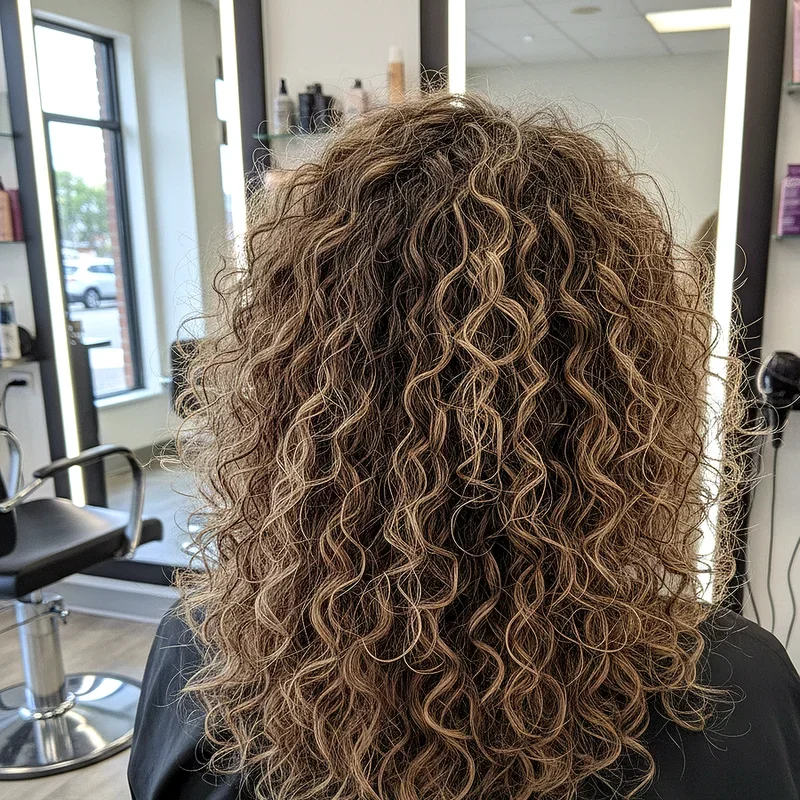
How to Fix Damaged Curly Hair: Step-by-Step Care Guide for Assessment
The first step in any repair journey is figuring out exactly what you're working with. Not all damage is created equal, and different types of damage require different approaches. Taking time to assess your hair properly will save you a lot of trial and error down the road.
Start by examining your hair in good lighting. Look closely at individual strands. Do you see split ends? Are there white dots along the shaft indicating breakage points? Is the hair rough to the touch or smooth?
Next, do a simple porosity test. Take a clean strand of hair and drop it into a glass of water. If it floats, you have low porosity hair. If it sinks slowly, your porosity is normal. If it sinks immediately, you have high porosity hair, which often indicates damage to the cuticle layer.
Consider your hair history too. Have you been using heat tools regularly? Did you recently color or chemically treat your hair? Do you live in a harsh climate? All these factors play into the type and extent of damage you might be dealing with.
Building Your Curly Hair Repair Routine
Alright, now we're getting to the good stuff. Building a repair routine for damaged curly hair isn't about buying every product on the market. It's about being strategic and consistent with your approach.
The foundation of any good repair routine is gentle cleansing. Ditch those harsh sulfate shampoos that strip your hair of its natural oils. Instead, opt for sulfate-free cleansers or co-washing with a lightweight conditioner. Your hair needs to retain as much moisture as possible during the repair process.
After cleansing, deep conditioning becomes your new best friend. And I'm not talking about a quick five-minute treatment. For truly damaged hair, you need to let that conditioner sit for at least twenty to thirty minutes, preferably under a heat cap to help the ingredients penetrate deeper.
Following deep conditioning, a leave-in conditioner helps seal in moisture and provides ongoing protection throughout the day. Look for products with hydrating ingredients like aloe vera, glycerin, and hyaluronic acid. These humectants draw moisture into the hair and help it stay there.
The Protein and Moisture Balance Game
Here's where things get a bit tricky, but stay with me. Healthy hair requires a delicate balance between protein and moisture. Too much of one without enough of the other can actually make your damage worse.
Protein treatments help rebuild the hair's structure by filling in gaps in the cuticle layer. They're especially beneficial for hair that's been chemically treated or heat damaged. Signs that you need protein include hair that stretches excessively when wet and doesn't bounce back, mushy texture, and limp curls.
On the flip side, moisture treatments hydrate and soften the hair. Signs that you need moisture include hair that snaps easily when stretched, feels rough and straw-like, and looks dull. Most damaged curly hair needs both, but the ratio depends on your specific situation.
A good rule of thumb is to do one protein treatment for every three to four moisture treatments. However, you'll need to pay attention to how your hair responds and adjust accordingly. Your curls will tell you what they need if you learn to listen.
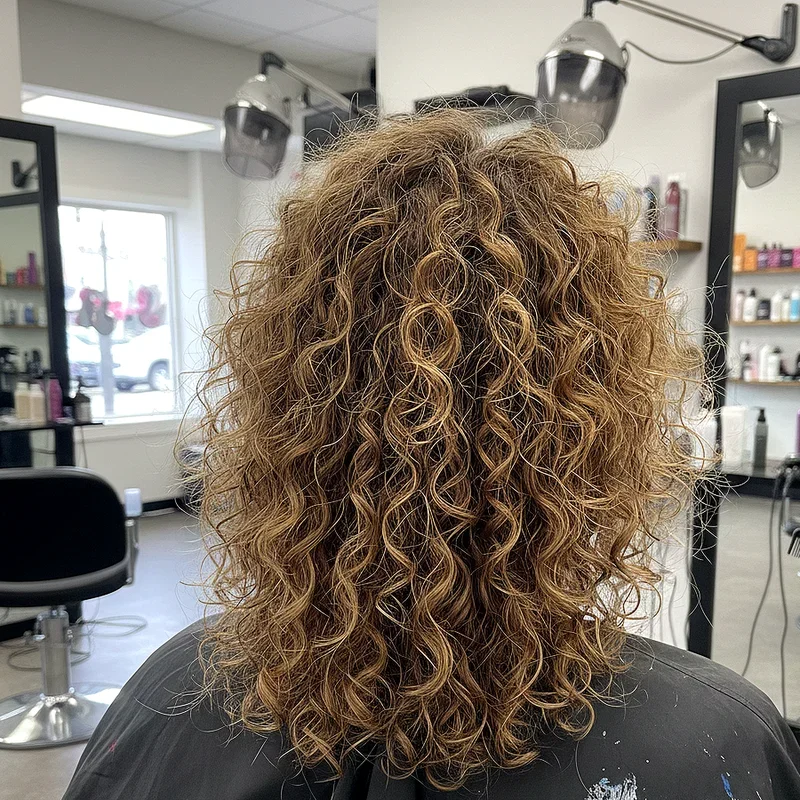
Heat Styling and Damaged Curly Hair
Let's have an honest conversation about heat. If you're trying to repair damaged curly hair while still flat ironing it every week, you're essentially taking two steps forward and three steps back. Heat is one of the biggest culprits behind curly hair damage.
The thing is, high temperatures break down the hydrogen bonds in your hair that give curls their shape. Repeated heat exposure causes cumulative damage that's difficult to reverse. So if you're serious about repair, you'll need to either eliminate heat styling entirely or drastically reduce it.
If you absolutely must use heat, always use a heat protectant product and keep the temperature as low as possible while still achieving your desired results. Consider air drying your hair and only using heat for special occasions rather than daily styling.
Embracing your natural texture during the repair process isn't just beneficial, it can also be liberating. Many people discover they actually love their natural curls once they give them the chance to thrive.
Nighttime Habits That Make or Break Your Progress
What you do with your hair at night matters more than you might think. Those eight hours of sleep can either support your repair efforts or undo all your hard work.
Sleeping on cotton pillowcases creates friction that rough up the hair cuticle and causes breakage. Switch to a silk or satin pillowcase, or wrap your hair in a silk scarf before bed. The smooth surface allows your hair to glide rather than catch and snag.
Consider protective styling at night too. Pineappling, where you gather your hair in a loose, high ponytail, helps preserve curl definition and prevents tangling. For longer hair, loose braids or twists can protect the ends while you sleep.
Never go to bed with wet hair if you can avoid it. Wet hair is more vulnerable to damage, and the friction from tossing and turning can cause significant breakage. If you must sleep with damp hair, use a silk bonnet and try to let it air dry as much as possible first.
Trimming and the Role It Plays in Repair
I know, I know. Nobody wants to hear that they need a haircut when they're trying to grow out their hair. But here's the truth, regular trims are essential for repairing damaged curly hair.
Split ends don't heal themselves. Once a strand splits, it will continue splitting up the hair shaft if left unchecked. This means that holding onto damaged ends actually prevents your hair from getting healthier and longer in the long run.
You don't need to chop off inches at a time. A light dusting every eight to twelve weeks removes the worst damage while preserving your length. Find a stylist who specializes in curly hair and understands how to trim curls properly. Dry cutting often works best for curly hair since it shows the true shape and length of your curls.
Lifestyle Factors That Affect Curly Hair Health
Your hair is a reflection of your overall health, so what happens inside your body affects what happens on your head. Nutrition plays a huge role in hair health and repair.
Make sure you're getting enough protein in your diet since hair is primarily made of keratin, a protein. Biotin, iron, zinc, and vitamins A, C, D, and E all support healthy hair growth and repair. Staying hydrated is equally important because dehydration shows up in your hair just as much as it shows up in your skin.
Stress is another factor that can impact hair health. High stress levels can push hair into the shedding phase prematurely and slow down the repair process. Finding healthy ways to manage stress, whether through exercise, meditation, or hobbies, benefits your hair along with your overall wellbeing.
Products and Ingredients to Look For
When shopping for products to repair damaged curly hair, knowing which ingredients actually work can save you time and money. Not every product that claims to repair damage delivers on that promise.
Look for products containing keratin, which helps strengthen and rebuild damaged hair. Argan oil, coconut oil, and avocado oil provide deep nourishment and help seal the cuticle. Shea butter and mango butter offer intense moisture for very dry, damaged curls.
Hydrolyzed proteins are smaller protein molecules that can actually penetrate the hair shaft rather than just sitting on the surface. Ceramides help repair the lipid layer of the hair, improving elasticity and reducing breakage.
Avoid products with drying alcohols like alcohol denat, isopropyl alcohol, and SD alcohol. Silicones can be tricky because while they provide temporary smoothness, some types can build up on the hair and prevent moisture from getting in.
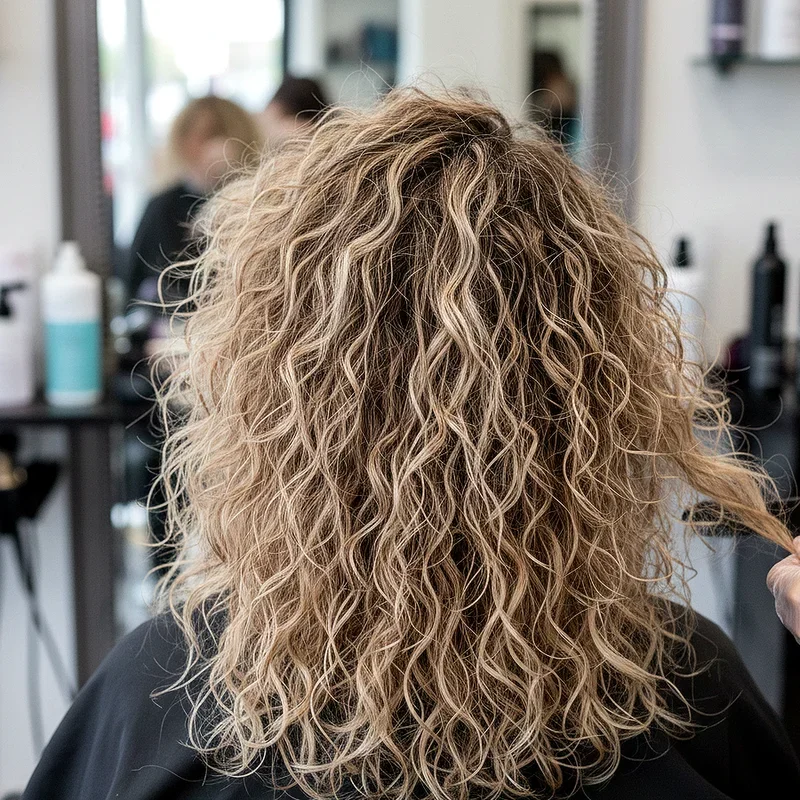
Patience and Realistic Expectations
Here's something nobody wants to hear but everyone needs to know. Repairing damaged curly hair takes time. We're talking months, not days or weeks. Your hair didn't get damaged overnight, and it won't repair overnight either.
Set realistic expectations for your repair journey. You might not see significant improvement for four to six weeks of consistent care. True transformation often takes three to six months or even longer for severe damage.
The good news is that new growth will be healthier if you're taking care of your scalp and body. Over time, as you trim away damaged ends and new healthy hair grows in, your overall hair health will improve dramatically.
Celebrate small victories along the way. Maybe your hair feels softer after a deep conditioning treatment. Perhaps you notice less breakage when you detangle. These small wins add up to big results over time.
Conclusion
Reviving damaged curly hair requires dedication, the right techniques, and plenty of patience along the way. By following this How to Fix Damaged Curly Hair: Step-by-Step Care Guide consistently, you'll gradually see your curls transform from dry and lifeless to bouncy and beautiful. Remember that every curl pattern is unique, so listen to what your hair needs and adjust your routine accordingly. Your gorgeous, healthy curls are absolutely worth the effort and wait.
Read next: How to Fix Frizzy Hair With Simple Care Tips That Work
Frequently Asked Questions
Q1. How long does it take to repair severely damaged curly hair?
A: Repairing severely damaged curly hair typically takes three to six months with consistent care routines.
Q2. Can I still color my hair while trying to repair damage?
A: It's best to avoid chemical treatments until your hair regains strength and health.
Q3. How often should I deep condition damaged curly hair?
A: Deep condition damaged curly hair at least once weekly for optimal moisture and repair.
Q4. Is it necessary to cut off all damaged hair to start fresh?
A: No, gradual trimming combined with proper care can restore hair without drastic cuts.
Q5. What's the biggest mistake people make when repairing curly hair?
A: The biggest mistake is expecting quick results and giving up before seeing real progress.
Stay up to date with our latest ideas!