Do Hair Transplants Hurt? What to Expect
Do hair transplants hurt? Learn what to expect before, during, and after the procedure, including pain levels and recovery tips.
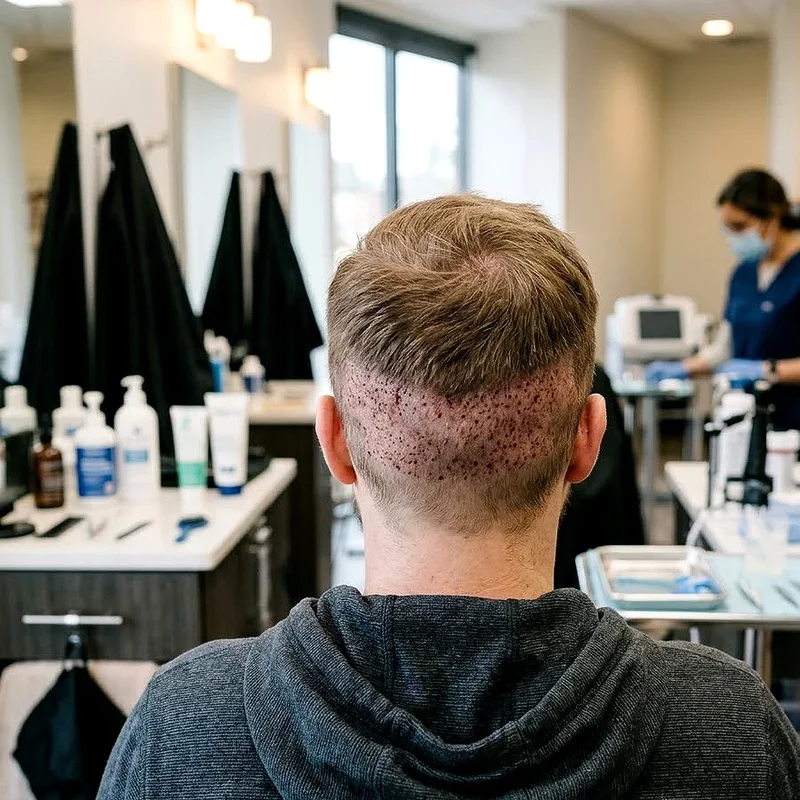
Losing your hair can feel like watching your confidence slip away strand by strand. So when you finally decide to take the plunge and look into a hair transplant, one question sits at the front of your mind like an uninvited guest. Do hair transplants hurt? What to expect from start to finish is something every potential patient deserves to know before walking through the clinic doors. Honestly, the fear of pain keeps more people from going through with this procedure than almost anything else. But here is the thing. Modern hair restoration has come a long way from the days when it was something folks genuinely dreaded. Today, the experience is far more comfortable than most people imagine, and the results can be life changing.
Understanding the Basics of Hair Transplant Surgery
Before we jump into the nitty gritty of pain and recovery, it helps to understand what a hair transplant actually involves. At its core, this procedure takes healthy hair follicles from one part of your scalp, typically the back or sides where hair tends to be more resistant to thinning, and moves them to areas that have gone thin or bald. It sounds straightforward, and in the hands of a skilled surgeon, it really is.
There are two main techniques used today. The first is called Follicular Unit Transplantation, or FUT, which involves removing a thin strip of skin from the donor area and then dividing it into individual grafts. The second method is Follicular Unit Extraction, or FUE, which involves harvesting individual follicles one at a time using a tiny punch tool. Both approaches have their advantages, and the right choice depends on your specific situation, hair type, and goals.
Now, you might be wondering which one hurts more. We will get into that shortly. But first, it is worth noting that both methods have been refined over the years and are performed under local anesthesia, which means you are awake but should not feel sharp pain during the procedure itself.
Do Hair Transplants Hurt? What to Expect on Procedure Day
Let us cut to the chase and tackle the big question head on. When people ask do hair transplants hurt, the most honest answer is that you will feel some discomfort, but it is generally very manageable. The procedure day itself is broken into several phases, and understanding each one can really put your mind at ease.
The Anesthesia Phase
This is probably the most uncomfortable part of the entire experience. The surgeon will inject local anesthesia into your scalp, both in the donor area and the recipient area. These injections can sting quite a bit, almost like a series of quick pinches. Some patients describe it as similar to getting dental work done. However, once the numbing kicks in, which usually takes just a few minutes, you should not feel any sharp or cutting pain.
Many clinics now use techniques to minimize even this initial discomfort. Some apply a topical numbing cream before the injections, while others use vibration devices or cooling sprays that distract the nerves. A few advanced clinics have even started using needle free jet injectors to deliver the anesthesia, which can reduce that initial sting considerably.
During the Extraction Phase
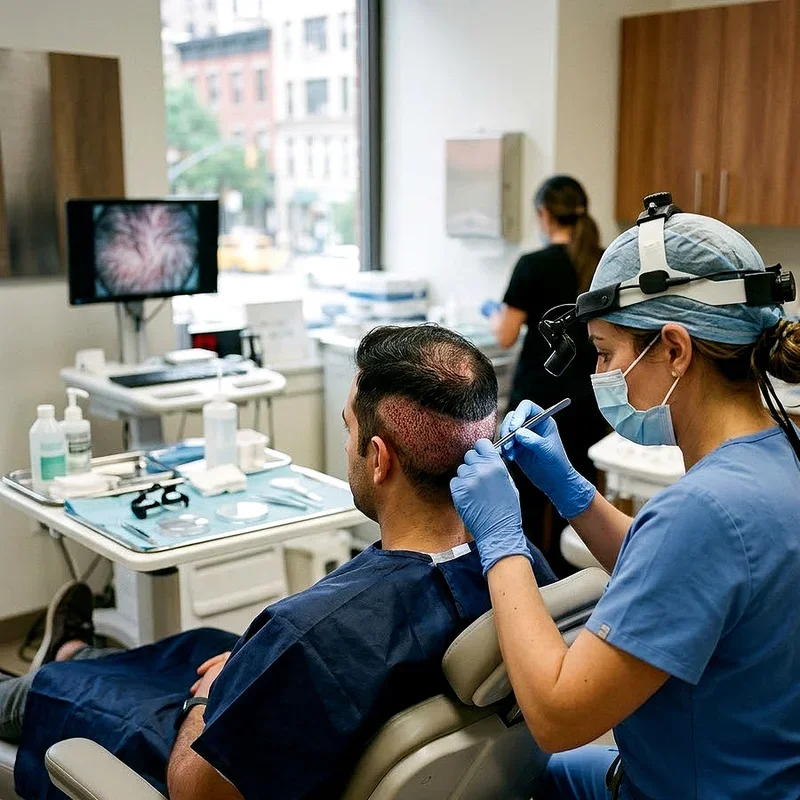
Once the area is fully numb, the surgeon begins harvesting follicles from the donor site. With FUE, you might feel slight pressure or tugging sensations, but actual pain should be minimal to nonexistent. With FUT, the strip removal itself is typically painless thanks to the anesthesia, though you may feel a pulling or tightening sensation as the incision is closed with sutures.
Most patients find this phase surprisingly uneventful. In fact, many clinics allow you to watch movies, listen to music, or even take naps during the procedure. The whole thing can last anywhere from four to eight hours depending on how many grafts you need, so having something to keep you occupied is definitely a good idea.
During the Implantation Phase
After the follicles have been prepared, the surgeon creates tiny incisions in the recipient area and carefully places each graft. Again, because the scalp is numbed, you should not feel pain during this phase. Some patients report a mild pressure sensation or an occasional prick if the anesthesia starts to wear off in certain spots. If that happens, the surgeon can simply administer more numbing medication.
By the end of the procedure, most patients walk out of the clinic feeling surprisingly good. There is usually some tightness in the scalp, almost like wearing a hat that is a size too small, but genuine pain is rarely an issue at this stage.
Comparing Pain Levels Between FUE and FUT
One of the most common questions people ask when researching hair transplants is whether one technique hurts more than the other. The truth is, both methods involve some degree of discomfort, but they differ in where and when you feel it most.
With FUE, the extraction process involves thousands of tiny circular incisions, each about one millimeter in diameter. Because these wounds are so small, they tend to heal quickly and cause less postoperative pain. Most FUE patients report only mild soreness in the donor area for a few days after the procedure.
FUT, on the other hand, involves a longer linear incision across the back of the scalp. While the procedure itself is just as comfortable under anesthesia, the recovery can involve more discomfort around the suture line. Some patients experience tightness, tenderness, or a pulling sensation that can last a week or two. That said, pain medication typically keeps things under control, and the incision heals into a thin scar that is easily hidden by surrounding hair.
At the end of the day, neither method is what most people would call truly painful. The discomfort is real but temporary, and for the vast majority of patients, it is well worth the trade off for a fuller head of hair.
What Does Recovery Really Feel Like?
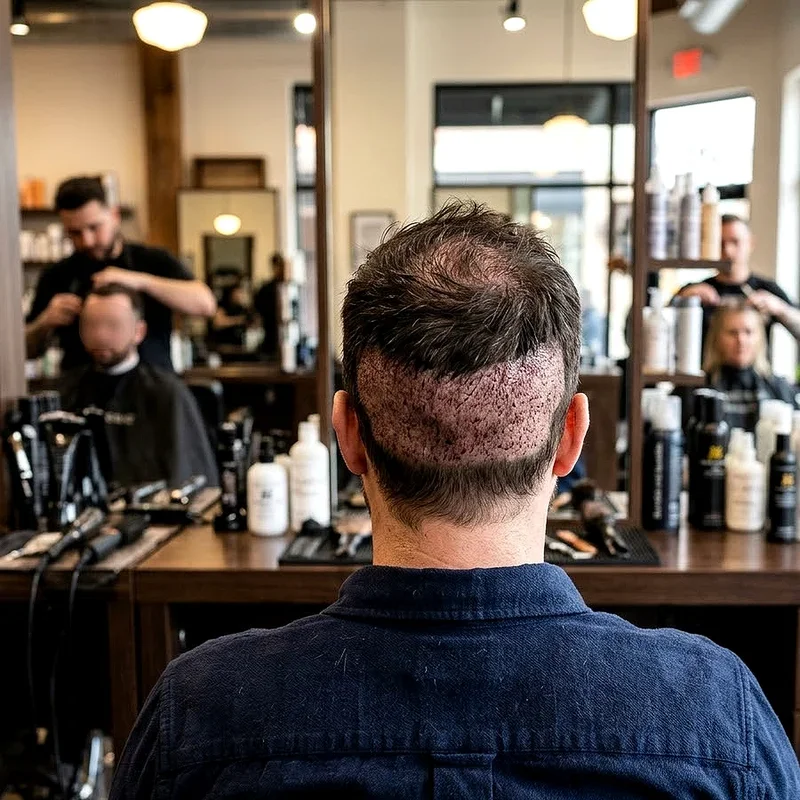
Alright, so the procedure is done, and you are back home. What now? The first few days of recovery are when most of the discomfort tends to show up, so let us break it down.
The First 24 to 48 Hours
This is typically when patients feel the most soreness. As the local anesthesia wears off, you will likely notice some throbbing or aching in both the donor and recipient areas. It is not unlike the feeling after a minor dental procedure or a deep scratch that is starting to heal. Your surgeon will prescribe pain medication, and many patients find that over the counter options like acetaminophen are enough to manage things comfortably.
Swelling is also common during this period, particularly on the forehead and around the eyes. While it is not exactly painful, it can look alarming and feel uncomfortable. Sleeping with your head elevated on extra pillows can help reduce this swelling significantly.
Days Three Through Seven
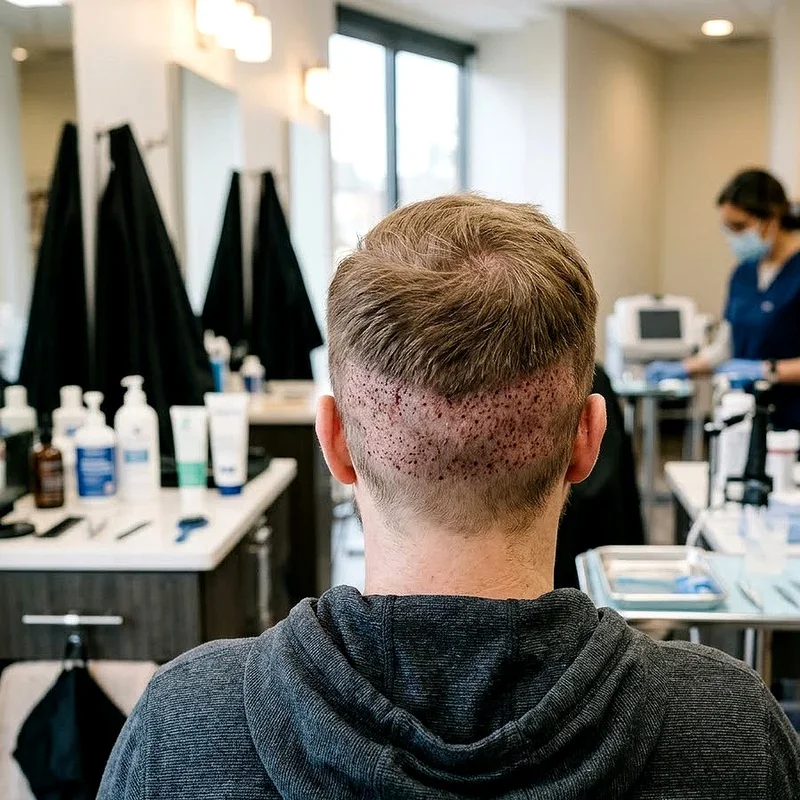
By the third day, most of the acute soreness has faded. You might still feel some tenderness when you accidentally bump your head or sleep on the wrong side, but the throbbing sensation generally subsides. The biggest discomfort during this phase often comes from itching. As the tiny wounds begin to heal and scabs form around the transplanted grafts, the scalp can get incredibly itchy. As tempting as it is, scratching is a bad idea because it can dislodge the newly placed follicles.
Your surgeon will likely recommend using a gentle saline spray or a prescribed shampoo to soothe the itching without disturbing the grafts.
Weeks Two Through Four
By the second week, most patients feel pretty much back to normal physically. The scabs will start falling off naturally, and any residual tenderness should be minimal. If you had FUT, the sutures are typically removed around day ten to fourteen, which can cause a brief moment of discomfort but is over quickly.
Here is where patience becomes your best friend. Around weeks two to four, you may notice that the transplanted hairs start shedding. This is completely normal and is actually a sign that the follicles are entering a resting phase before producing new growth. It can be a bit discouraging to see the transplanted area look thin again, but this is just part of the process.
Tips for Minimizing Pain and Discomfort
Going into a hair transplant with a solid game plan can make a world of difference in how comfortable the experience feels. Here are some practical tips that seasoned patients and surgeons alike recommend.
Choose an experienced surgeon, because skill and technique play a massive role in how comfortable the procedure and recovery will be. A surgeon who has performed thousands of transplants will know how to administer anesthesia effectively and handle tissue with minimal trauma.
Follow pre procedure instructions carefully. Your clinic will give you a list of things to avoid before surgery, such as blood thinners, alcohol, and certain supplements. These guidelines exist for a reason, and following them can reduce bleeding, swelling, and overall discomfort.
Prepare your recovery space at home. Stock up on extra pillows, gentle shampoo, saline spray, and comfortable button up shirts so you do not have to pull anything over your head. Having everything within reach makes those first few days much more pleasant.
Take your medications on schedule. Whether it is prescribed pain medication, antibiotics, or anti inflammatory drugs, staying on top of your medication schedule prevents pain from sneaking up on you.
Stay hydrated and eat well. Good nutrition supports healing, and staying hydrated helps reduce swelling. It might sound simple, but these basics really do make a difference.
Emotional and Psychological Aspects of the Experience
We have talked a lot about physical discomfort, but it would be a mistake to ignore the emotional side of things. Deciding to get a hair transplant is a big deal, and it is perfectly normal to feel anxious or even scared beforehand.
Many patients find that the anticipation is actually worse than the procedure itself. Once you are in the chair and the anesthesia kicks in, most of the fear melts away. That said, if anxiety is something you struggle with, talk to your surgeon about it. Some clinics offer mild sedatives that can help you relax without putting you fully to sleep.
After the procedure, there can be an emotional rollercoaster as well. The initial excitement of having the transplant done may give way to frustration during the shedding phase, followed by joy as new growth starts to appear around months three to six. Knowing that this emotional journey is normal can help you stay patient and positive throughout recovery.
Long Term Results and Whether the Discomfort Is Worth It
So we have covered the short term picture pretty thoroughly. But what about the long game? Is the temporary discomfort of a hair transplant worth the results you get months and years down the road?
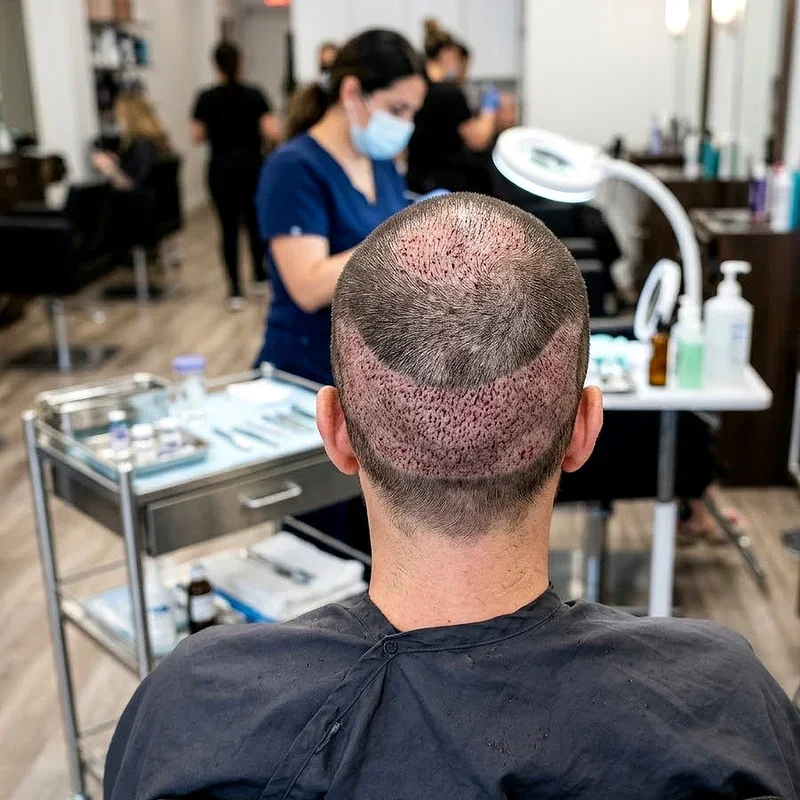
For the overwhelming majority of patients, the answer is a resounding yes. By month six, new hair growth is usually visible and encouraging. By month twelve to eighteen, the full results are on display, and most patients are thrilled with the outcome. The transplanted hair is your own natural hair, so it grows, can be cut, styled, and treated just like the rest of your hair.
When you weigh a few days of manageable discomfort against years of renewed confidence and a natural looking head of hair, the math works out pretty favorably. Plenty of patients say they wish they had done it sooner.
Do Hair Transplants Hurt? What to Expect in Summary
Looking at the full picture, the discomfort associated with hair transplants is real but manageable. The anesthesia injections are the most uncomfortable moment, the procedure itself is largely painless, and recovery involves a few days of soreness that fades steadily. Modern techniques and pain management have made this procedure far more comfortable than it was even a decade ago.
If you have been putting off a hair transplant because of fear of pain, hopefully this walkthrough has given you a clearer picture of what the experience actually looks like.
Conclusion
When all is said and done, a hair transplant involves some discomfort, but it is far less painful than most people expect. The anesthesia injections are the toughest part, while the procedure itself is generally painless. Recovery brings a few days of soreness and itching that gradually fade. With the right surgeon and proper preparation, the entire experience is very manageable. For most patients, the brief period of discomfort is a small price to pay for the lasting confidence that comes with a fuller head of hair.
Read next: 15 Y2K Hairstyle Ideas to Bring Back Iconic 2000s Vibes
Frequently Asked Questions
Q1. How painful are the anesthesia injections during a hair transplant?
A: They sting like quick pinches, but the discomfort fades within a few minutes.
Q2. Is FUE less painful than FUT for hair restoration procedures?
A: FUE typically involves less postoperative soreness because the extraction wounds are much smaller.
Q3. How long does the soreness last after a hair transplant procedure?
A: Most patients feel significant improvement within three to five days after the surgery.
Q4. Can I take regular pain medication after a hair transplant surgery?
A: Yes, most surgeons recommend acetaminophen or prescribe mild pain relief for recovery comfort.
Q5. Will I feel any pain during the actual hair transplant procedure?
A: Once the local anesthesia takes effect, you should only feel pressure, not pain.
Stay up to date with our latest ideas!